


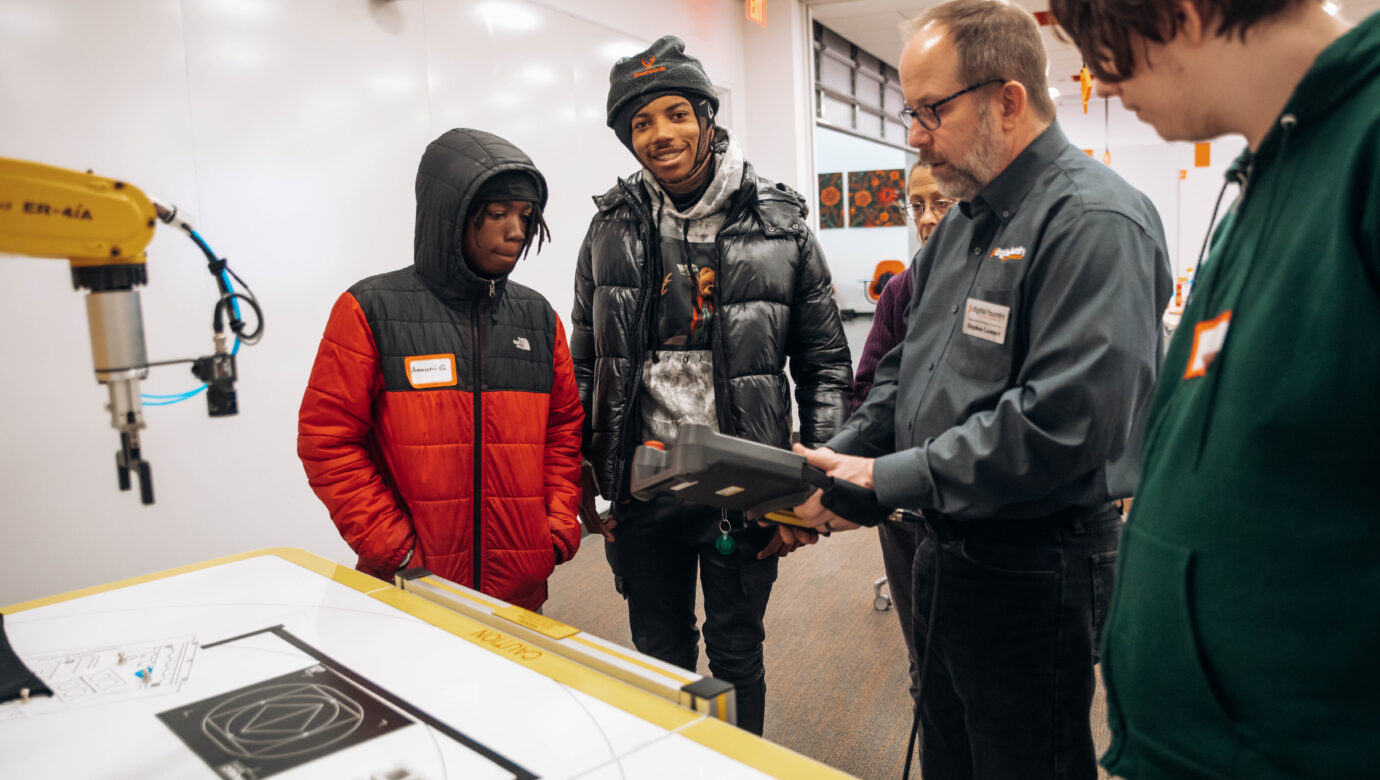
Building Future-Ready Skills: The Role of Hands-On Digital Manufacturing Training
As the manufacturing industry evolves at a rapid pace, the demand for skilled professionals who understand smart technologies, data systems, and advanced automation is growing. Hands-on digital manufacturing training plays a critical role in preparing workers to thrive in environments rapidly transformed by technology.
From smart sensors and robotics to real-time data analytics and manufacturing execution systems (MES), tomorrow’s workforce needs more than just awareness; they need experience. Here’s why hands-on training in digital manufacturing is essential for building future-ready skills.
Why Future-Ready Manufacturing Skills Matter
Smart manufacturing integrates cyber-physical systems, industrial automation, and data-driven decision-making into every aspect of production. Technologies are already transforming how factories operate, including:
- PLCs, HMIs, and SCADA systems
- CAD/CAE and simulation tools
- Industrial robots and cobots
- Cloud and edge computing
- Digital twins and IoT devices
As these tools become more commonly used, manufacturers need workers who can operate, troubleshoot, and optimize these systems, not just in theory, but in practice.
The Limitations of Traditional Training
Classroom-based instruction and legacy training materials often fail to prepare workers for real-world scenarios. Without exposure to modern digital tools and systems, trainees may lack the confidence and technical depth to solve complex challenges on the shop floor.
The result? A widening skills gap that limits productivity, slows adoption of new technologies, and hinders innovation.
The Value of Hands-On Digital Manufacturing Training
Hands-on training addresses this gap by offering relevant, applied learning with the same technologies used in today’s smart factories. Whether through simulators, live equipment, or integrated learning labs, learners gain:
- Experience with real systems – Interacting directly with PLCs, robotics, and digital tools
- Stronger problem-solving skills – Applying knowledge in complex, practical scenarios
- Improved retention – Learning by doing enhances memory and builds confidence
- Cross-functional understanding – Seeing how various technologies work together within a connected manufacturing ecosystem
This approach bridges the gap between education and execution, making learners more valuable from day one on the job.
Key Topics in Digital Manufacturing Training Programs
Effective digital manufacturing programs often cover a blend of technical and professional competencies, including:
- Industrial automation fundamentals
- Digital communication protocols (OPC-UA, MQTT)
- Data collection and visualization (dashboards, HMIs)
- Robotics and control systems (ladder logic, state-based programming)
- Additive manufacturing and 3D printing
- Smart factory integration and system troubleshooting
- Professional skills development (teamwork, critical thinking, communication)
This combination ensures that trainees can adapt quickly, work collaboratively, and contribute to continuous improvement initiatives.
Benefits for Individuals and Employers
For individuals, hands-on digital manufacturing training offers:
- Increased employability and career mobility
- Higher confidence when working with new technologies
- A pathway to leadership roles in digital transformation
For employers, it means:
- Faster onboarding
- Reduced downtime and error rates
- A stronger pipeline of skilled, adaptable workers
It’s not just about filling positions, it’s about future-proofing the workforce and maintaining a competitive edge in a digitally connected world. By engaging with technologies in a live environment, learners develop a working knowledge that directly applies to the challenges of modern manufacturing.
Supporting Regional Growth Through Skills Development
At the Digital Foundry at New Kensington, workforce development is a central part of our mission. We partner with manufacturers, educators, and technology partners to:
- Deliver high-impact training aligned with real industry needs
- Engage students with hands-on training and applied learning on the latest industrial technologies
- Connect learners to opportunities for employment, upskilling, and innovation
Our learning environment combines modern equipment, expert instructors, and unique curriculum to support sustainable talent pipelines across the Southwestern Pennsylvania manufacturing sector.
Conclusion: Investing in Hands-On Learning Is Investing in the Future
Digital transformation in manufacturing isn’t slowing down, and neither should training efforts. To remain competitive, both individuals and organizations must embrace hands-on digital manufacturing education that builds confidence, capability, and adaptability.
Whether you’re an employer looking to strengthen your team or a worker looking to grow your skills, the path forward is clear: invest in training that’s practical, applied, and aligned with the future of smart manufacturing.
Explore training programs at the Digital Foundry: digitalfoundrynk.com/training/career-workforce-education/